Trim removal
Wheels, arch liners, undertrays and underside covers are removed where needed to gain access.

Rust proofing only works properly when the underside has been cleaned, checked and prepared. Coating over loose rust or failed factory underseal traps the problem underneath.
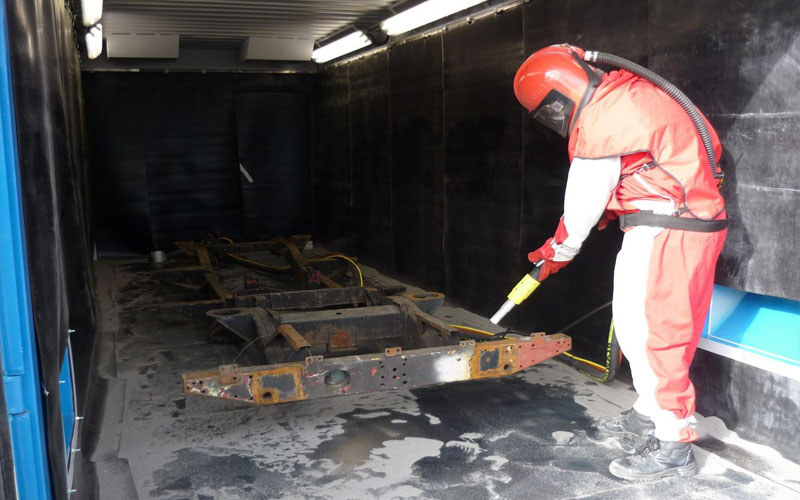
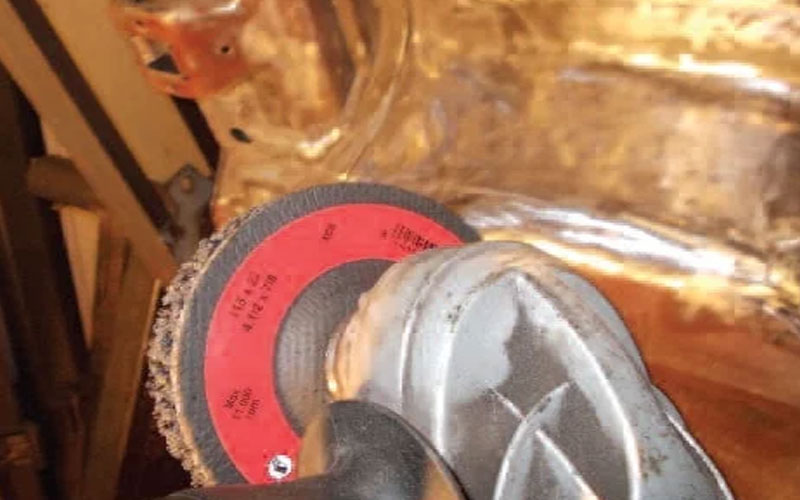
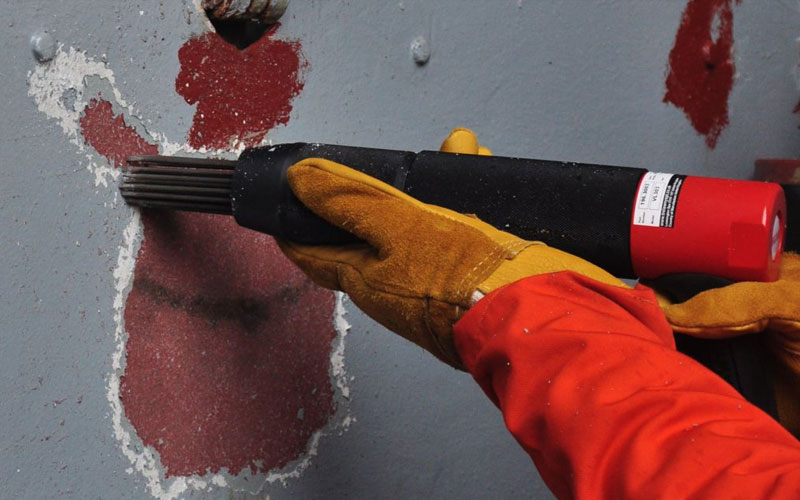
Applying rustproofing to a poorly prepared surface is pointless. Mud, road salt, silt, tar, failed underseal and loose corrosion all need to be dealt with before the final protection is applied.
Preparation time varies because every vehicle is different. A clean modern vehicle may need limited preparation; a classic, import, off-roader or winter-used vehicle may need far more work.
The aim is simple: expose a sound surface, identify any repairs and dry the underside ready for coating.
Wheels, arch liners, undertrays and underside covers are removed where needed to gain access.
Heavy mud, dirt and loose debris are removed from the underside and arches.
Hot washing helps remove oil, tar, old wax and softened factory underseal.
Traffic film remover and further washing help remove road salt, tar and oily contamination.
Air needling, wire brushing, grinding, sanding or blasting is used to remove loose corrosion.
Remaining stained but solid areas can be treated with rust converter before coating.
Any holes, structural corrosion or heavy pitting must be discussed and repaired before protection.
Repaired areas and failed seams are protected with appropriate primers and seam sealer.
Air lines and heat lamps help remove dust and moisture before the underseal treatment begins.
Pop in for a free underside assessment or call the workshop to talk through the condition of your car, 4x4, camper, van or classic.